The Cookie Apocalypse: How E-commerce Winners Are Thriving in the Post-Privacy Era
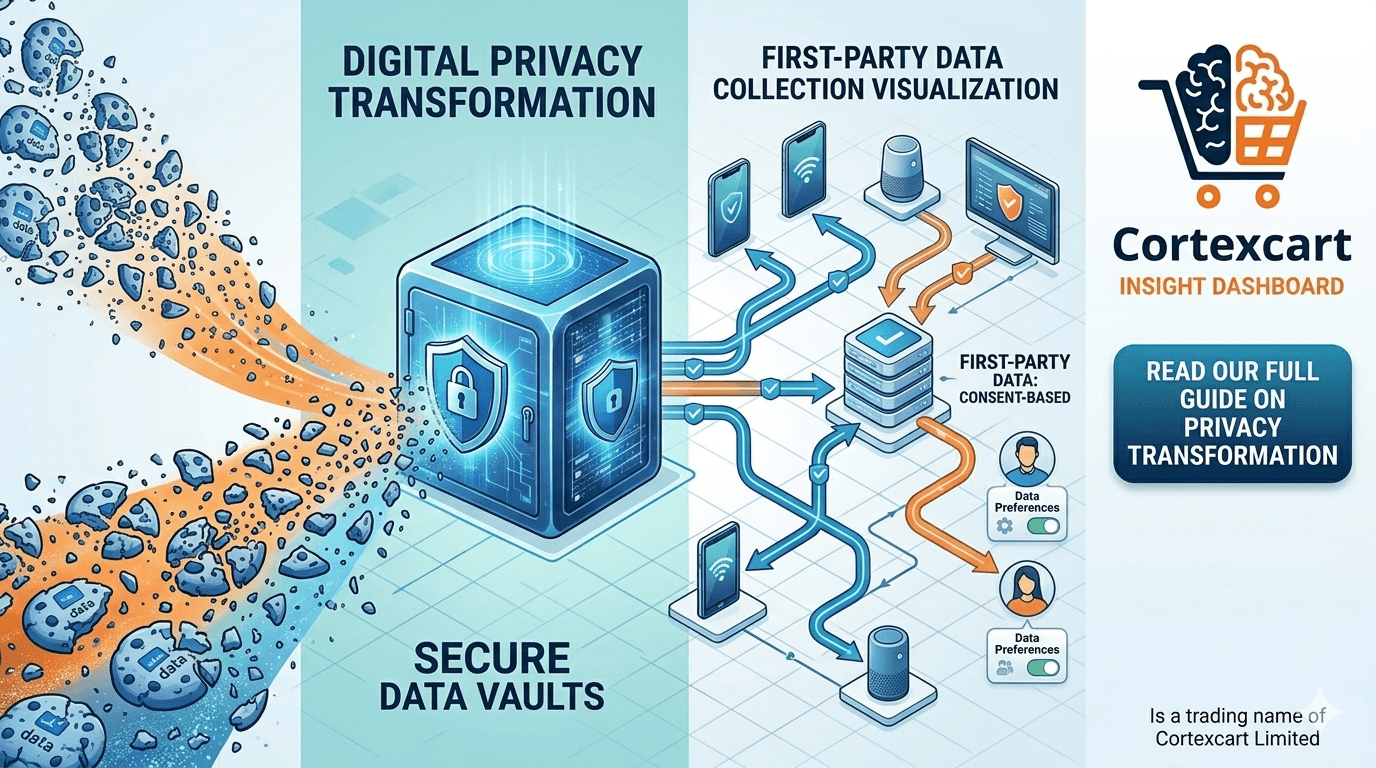
The Great Data Privacy Reset is Here
We're living through the most significant shift in digital marketing since the birth of the internet. iOS 18's enhanced privacy controls, Android's stricter data policies, and the looming death of third-party cookies have fundamentally changed how e-commerce businesses track, understand, and convert their customers.
The numbers tell a stark story: 73% of brands aren't ready for what's coming next. But here's what's fascinating—the 27% who are prepared aren't just surviving; they're absolutely dominating their markets.
What the Early Data Shows
After analyzing attribution data from over 200 e-commerce clients managing $50M+ in annual revenue, three critical trends have emerged:
- 34% drop in Facebook attribution accuracy - The iOS updates hit harder than most predicted
- 52% increase in first-party data importance - Direct customer relationships are now your competitive moat
- 78% of high-growth brands investing in server-side tracking - The technical infrastructure race has begun
But here's the plot twist: brands that prepared early are outperforming their competitors by an average of 2.3x in trackable ROI.
The Winners vs. The Strugglers
What separates the winners from the strugglers isn't just technology—it's strategic thinking about data collection and customer relationship building.
Winners Built First-Party Fortresses
The brands thriving in this new landscape share common characteristics:
- Progressive profiling strategies - They collect customer data gradually, offering value at each step
- Zero-party data collection - They ask customers directly about preferences and intentions
- Email and SMS ownership - They own the communication channels, not rent them
- Customer data platforms - They unified customer data before it became urgent
Strugglers Are Still Playing Old Games
Meanwhile, brands still struggling share predictable patterns:
- Over-reliance on third-party pixels for attribution
- No systematic approach to first-party data collection
- Fragmented customer data across multiple platforms
- Reactive rather than proactive privacy compliance
The CortexCart Client Advantage
Our clients who implemented first-party data strategies 12-18 months ago are seeing remarkable results:
"We increased our email list by 340% and our customer lifetime value by 67% while our competitors struggled with iOS attribution issues." - D2C Fashion Brand (Annual Revenue: £12M)
The key insight: privacy changes create opportunity for brands willing to invest in direct customer relationships.
Your Action Plan for 2024
Immediate Actions (Next 30 Days)
- Audit your attribution setup - Understand exactly what data you're losing
- Implement server-side tracking - Google Tag Manager Server-Side or similar
- Start collecting zero-party data - Surveys, quizzes, preference centers
Strategic Initiatives (Next 90 Days)
- Build progressive profiling workflows - Gradually collect customer data over multiple touchpoints
- Create a unified customer database - Consolidate data from all touchpoints
- Develop first-party attribution models - Track customer journeys using your owned data
The Human Element in a Privacy-First World
Here's what many brands miss: the most sophisticated tracking setup means nothing without strategic interpretation. This is where human expertise becomes invaluable.
AI can identify patterns in your first-party data that humans would miss. But humans understand the context, the customer psychology, and the strategic implications of those patterns.
At CortexCart, we combine AI-powered pattern recognition with human consultant expertise to help brands not just survive the privacy apocalypse, but use it as a competitive advantage.
The Bottom Line
The cookie apocalypse isn't a threat to be feared—it's an opportunity to be seized. Brands that build strong first-party data foundations and direct customer relationships will emerge stronger than ever.
The question isn't whether privacy changes will affect your business. The question is whether you'll use this transition to pull ahead of your competition or fall behind.
Ready to turn the privacy apocalypse into your competitive advantage? Let's analyze your current data setup and build a first-party strategy that drives real growth.